

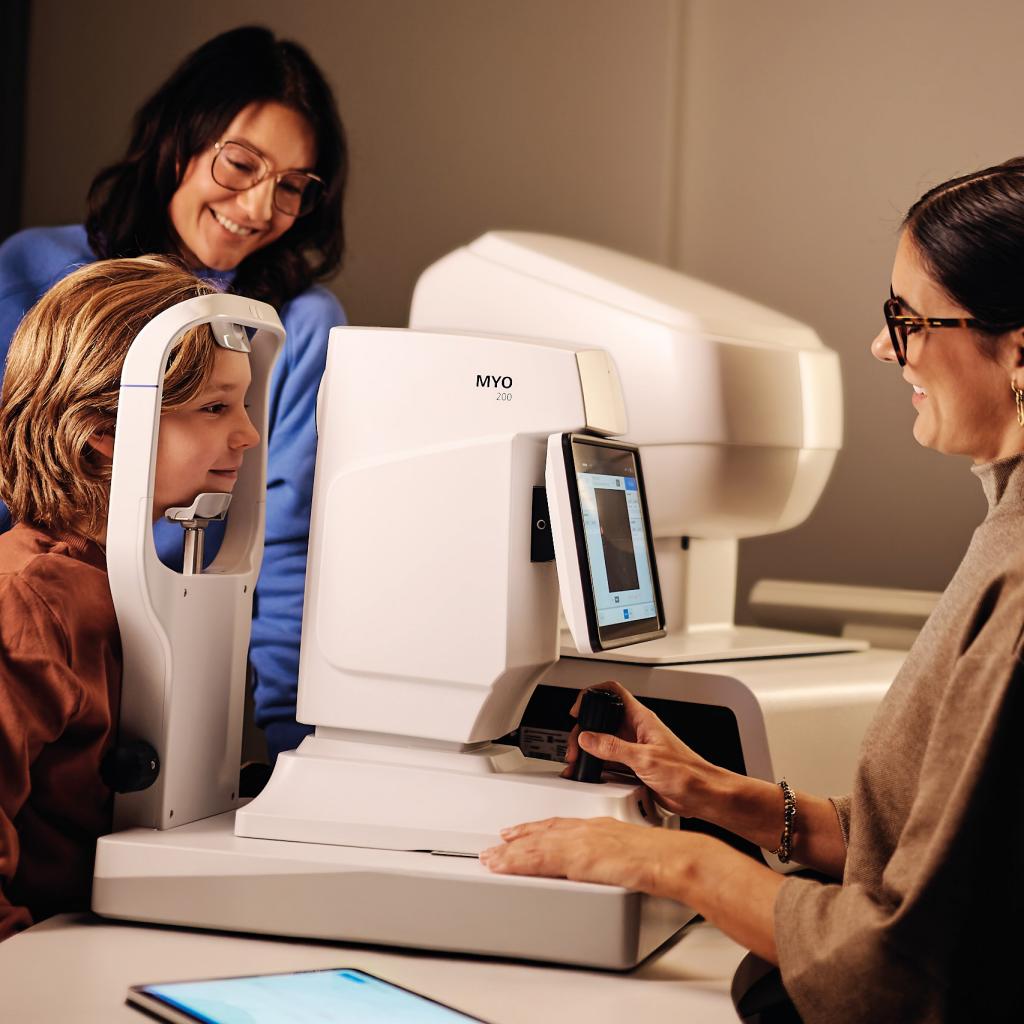
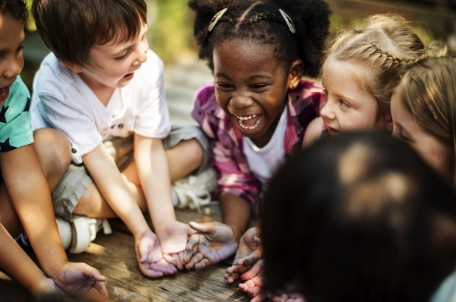
If your child has been diagnosed with myopia (near-sightedness), you may have already received a treatment plan from your optometrist, but may be wondering what more you can do. Following the prescribed glasses, contact lenses or drops is crucial in managing their myopia, but one of the most powerful things you can do as a caregiver is simple; outdoor time.
How Outdoor Time Helps Protect Eyes
Being outdoors helps support healthy eyes in several different ways:
- Brighter natural light: Outdoor light is far stronger than indoor lighting. Outdoor light stimulates the release of dopamine in the eye, helping to regulate eye growth and reducing the tendency for the eye to elongate, a key factor in myopia management.
- Less close-up focus: Kids spend hours each week reading, doing homework or on screens. Being outside and away from near work helps reduce eyestrain and lets the eyes relax.
- Looking into the distance: Being outside encourages kids to look at objects at varying distances, stopping them locking into a constant state of near-focus.
How Much Outdoor Time Is Needed?
Your optometrist has likely recommended somewhere between 90-120 minutes of outdoor time each day. This may seem impossible, however; it doesn’t need to happen all at once. Shorter periods of outdoor time can add up too.
Incorporate outdoor time by:
- Walking or biking to school
- Participating in outdoor sports
- Playing in the back yard or a nearby field
- Family walks after dinner
Even when the weather is cooler, outdoor time still matters. Bundle up in warm clothing so you can get the benefits of light exposure year-round.
Myopia Management is a Team Effort
Outdoor time works best when it’s viewed holistically and not just part of your myopia treatment plan. Think of it like brushing your teeth; spending time outdoors becomes an unconscious, everyday habit that helps to protect long-term eye health.
If your child is using a myopia control spectacle lens, ortho-k contact lens or even drops, outdoor time supports these interventions to help maximize their impact. It’s about combining these strategies for your child’s best outcome.
Overcoming the Challenges
Many caregivers have a full and busy schedule already, and it may feel insurmountable to make these changes. Finding ways to fit it into your existing life is crucial to building the habits.
You can try:
- Short frequent breaks. Remember the 20/20/20 rule: stop every 20 minutes and look at a distant object for 20 seconds. If they can step outside momentarily, that’s even better.
- Walking to and from school. If your child is too young or you have safety concerns, let your child stand outside before leaving the house for 5-10 minutes to get the natural light. Even standing at a bus stop counts!
- Let your child be involved. Let them do yard work, take out the garbage, or simply stand on a balcony or sit in the yard after dinner is done.
- Play outdoor sports. Whether structured or just getting a few friends together, any outdoor activity is an advantage.
Every minute counts, and they can soon add up. All of it is a positive step for your child’s vision.
A Simple Habit with Long Term Benefits
Outdoor play is a low-cost, accessible way to support your child’s eye health. By encouraging regular outdoor time, you’re not only helping to manage their myopia; you’re also supporting their overall physical health, mental well-being, and building healthy routines.
If you have any questions about how you can support your child’s eye health, speak to your optometrist. If you are looking for an optometrist who provides myopia services, you can find one using our clinic locator.