


MyoPro Lens Information
The MyoPro lens has been designed specifically to help manage Myopia in children. Ask your optometrist for more details. ENG MyoPro Sell SheetFINALFINALDownload

Empowering Your Practice: The Role of Trained Support Staff in Delivering Myopia Solutions
As Canadian optometrists, we’re seeing a surge in demand for myopia management, and with good reason. The prevalence of childhood myopia is rising, and parents are increasingly seeking proactive solutions. But delivering effective care doesn’t rest solely on the shoulders of the optometrist. The success of a myopia management program hinges on having the right support…

Why Myopia Is On The Rise In Canada
Myopia is no longer just a refractive inconvenience, it’s a growing public health concern. In Canada, the prevalence of myopia is increasing at an alarming rate, particularly among children. As eye care professionals (ECPs), we are uniquely positioned to address this epidemic head-on. The Canadian Myopia Landscape Recent data reveals that 30%1 of the Canadian population…
3 Min MyoCare Product Info – In-Office Video
Zeiss aims to tackle the global issue of myopia. Through innovation and a desire to educate both eye care professionals and parents/caregivers, they offer their MyoCare spectacle lenses.
All We’ve Learnt in a Year about the SightGlass Vision Diffusion Optics Technology Spectacle Lens
In this article: The article reviews the latest research on SightGlass Vision Diffusion Optics Technology™ (DOT™) spectacle lenses, highlighting their efficacy in slowing myopia progression, underlying mechanisms, impact on vision and visual function, and emerging real-world clinical evidence from studies conducted in North America, China, and Canada. How Well Does It Slow Myopia? How Does…
Soft Contact Lenses for Myopia Management in Canada
Myopia is a condition which causes blurred vision for far away objects, and in high levels can even cause blurred vision beyond arm’s length. Also known as short-sightedness or nearsightedness, myopia is a growing concern for Canadian children, with more and more children affected nowadays due to genetic and environmental factors. If left untreated, myopia…
What is Myopia and What Causes It?
Myopia, commonly referred to as nearsightedness, is a vision condition where objects in the distance appear blurry while nearby objects remain in focus. A child with myopia may read a book or use a smartphone with ease but struggle to see the front of the classroom, see across a playground, or recognize people or signs…

Kids with Myopia in Canada: How It Can Be Managed
Understanding Myopia in Canadian Children Myopia, commonly known as near-sightedness, is becoming more common here in Canada. Myopia causes blurred distance vision, such as when looking across a classroom or playground, and requires spectacles or contact lenses to provide clear vision. Over the past two decades, the prevalence of myopia in North America has increased…
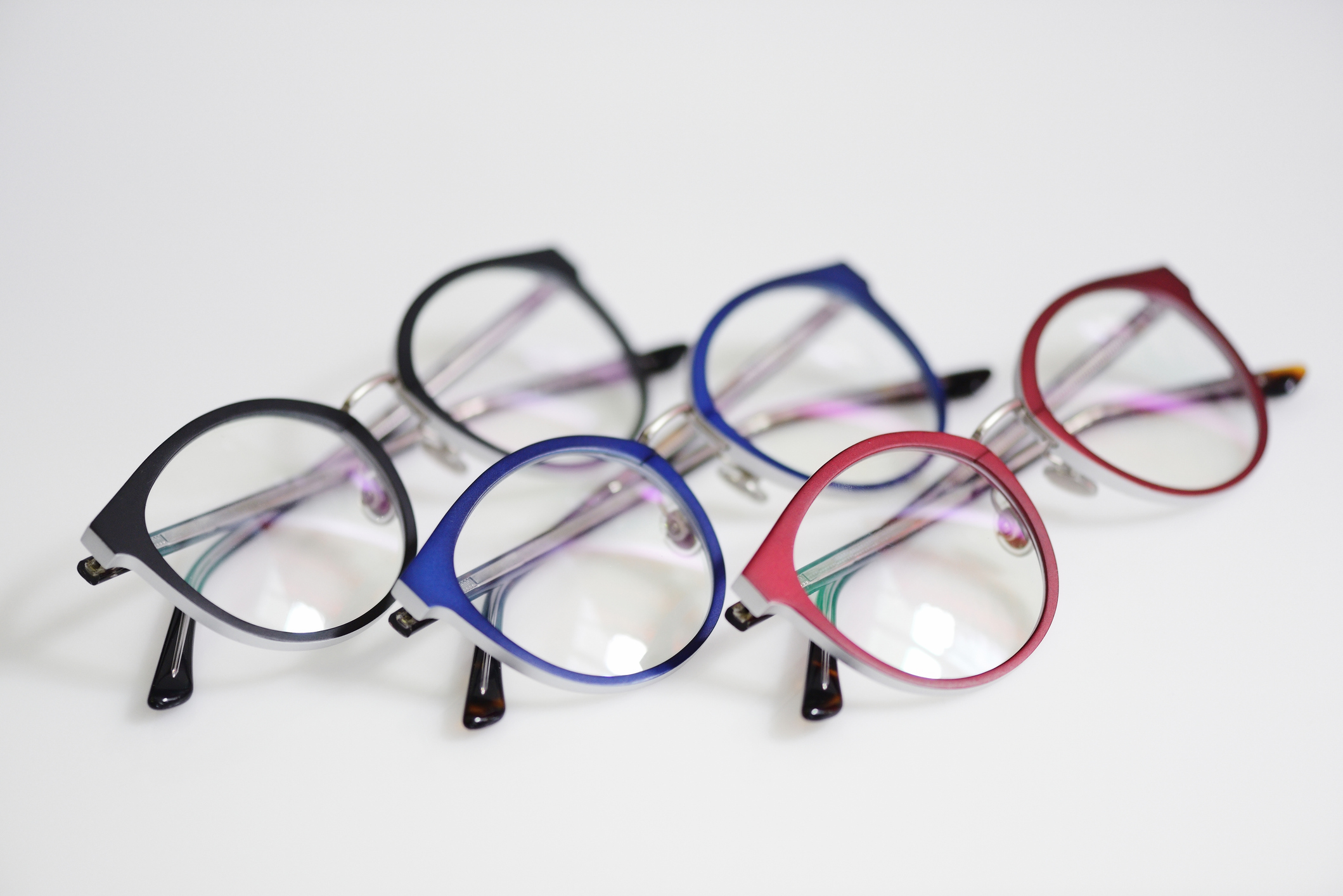
Spectacles for Myopia Management in Canada
Myopia, or nearsightedness, is becoming more common among children in Canada. As more kids develop myopia at an early age, parents are looking for ways to slow its progression and protect their children’s vision. Standard single-vision glasses help kids see clearly, but they don’t prevent myopia from worsening. That’s why specialized spectacle lenses designed for…